
How to Spot Quality Boudin Before You Buy It in Louisiana: Expert Guide to Finding the Best Links
Highlights
- Look for the perfect rice-to-meat ratio: Quality boudin should be meat-forward, not overly "ricey"
- Check the casing appearance: Fresh boudin has natural, slightly translucent casings without tears or discoloration
- Feel for the right texture: Good boudin should feel firm but squeezable, never mushy or dry
- Trust your nose: Fresh boudin smells aromatic with spices and pork, never sour or off
- Know where to shop: The best boudin comes from places that make it in-house, not mass-produced versions
How to Spot Quality Boudin Before You Buy It
Your guide to finding authentic Louisiana boudin that lives up to the hype – because life's too short for bad boudin
LAFAYETTE, La. (KPEL News) — You're standing in front of a gas station warmer in Scott, Louisiana, staring at a dozen different boudin options. Some are from local legends like The Best Stop or Billy's, others from places you've never heard of.
The person behind you grabs their links and heads to the register. You're left wondering which boudin will deliver that perfect bite.
The Best Stop alone sells over 2,500 pounds of boudin per day – that's serious volume moving through South Louisiana. With so many options available, from gas stations to specialty meat markets, how do you separate the exceptional from the ordinary?

All boudin is not created equal. Scott and Broussard once fought over the "Boudin Capital" title, and locals have developed an almost instinctive ability to spot quality boudin before taking their first bite. Here's what they look for.
The Visual Inspection – What Quality Boudin Looks Like
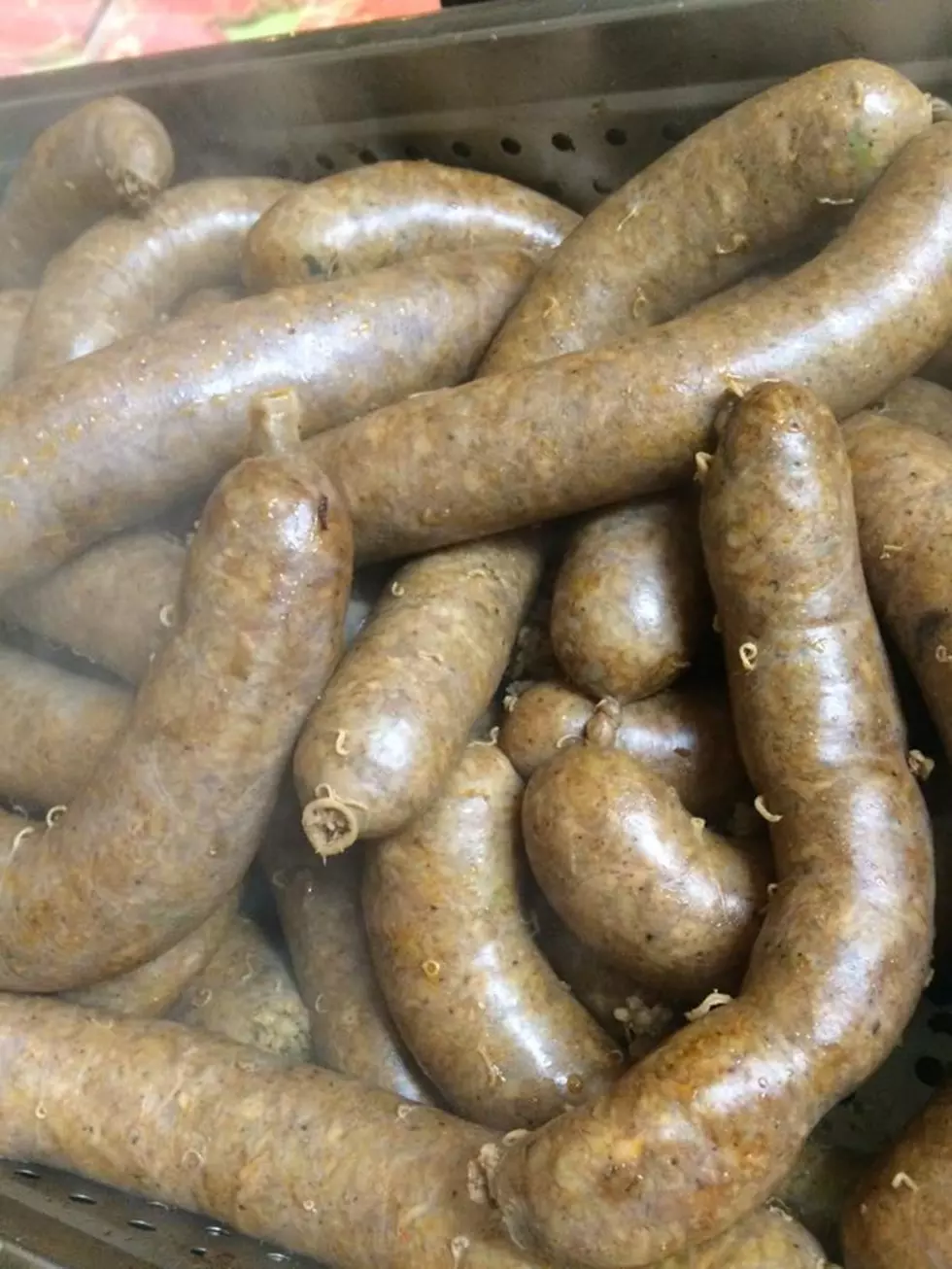
Your eyes can tell you volumes about boudin quality before you even touch a link. Start with the casing – that natural pork intestine holding everything together.
Quality boudin casings appear slightly translucent, almost pearl-like. They shouldn't look bright white or artificially uniform, which often indicates mass production. Natural casings used by reputable Louisiana boudin makers have a subtle grayish tint and varying thickness.

Check the links for tears, splits, or patched areas in the casing. Quality boudin makers take pride in their presentation, and damaged casings often indicate rushed production. The links should appear plump but not overstuffed.
If you can see through the casing to the filling inside, look for visual balance. Quality boudin shows a mixture of meat, rice, and vegetables rather than appearing uniformly pale. You should spot visible pieces of what some folks call the "holy trinity" (onions, celery, and bell pepper) distributed throughout. The overall color should have a slight gray-brown tint from the meat and Cajun spices, not bright white that indicates too much rice.
The Feel Test – Texture Tells the Story
The character of authentic Cajun boudin is its moistness and squeezability – this fundamental difference separates good boudin from everything else.
Gently press a link between your fingers. Quality boudin feels firm but gives slightly under pressure. It should have what locals call "squeeze-ability" – that texture that allows you to squeeze the filling directly from the casing into your mouth, the traditional way most Louisianians eat boudin.
Avoid boudin that feels dry, crumbly, or overly firm. This indicates old boudin that's been sitting too long or a recipe heavy on rice and light on the pork fat that gives boudin its signature texture. Also avoid boudin that feels mushy or is already falling apart in the casing – this suggests poor-quality ingredients or improper handling.
The casing itself should feel natural and slightly elastic, not slimy or sticky. If you notice moisture leaking through the casing or wet spots on the packaging, move on.
The Smell Test – Your Nose Knows
Fresh, high-quality boudin greets you with an aromatic blend of Cajun spices, rich pork, and the sweet undertones of sautéed onions and peppers.
The aroma should be clean and appetizing. You should detect the complexity of seasonings – perhaps a hint of cayenne heat, the earthiness of garlic, and the warm notes of properly cooked pork. Some boudin includes liver, which adds a deeper, more robust aroma when balanced correctly.

Red flags include any sour or off odors, which indicate spoilage. An overly strong liver smell might signal poor-quality organ meat or an imbalanced recipe. Chemical or artificial odors suggest preservatives that run counter to traditional boudin-making.
If something smells off, it probably is. Quality boudin should make your mouth water, not furrow your brow.
The Rice Ratio Debate – Finding Your Sweet Spot
No aspect of boudin quality generates more passionate debate among Louisianians than the proper rice-to-meat ratio. Walk into any conversation about boudin, and you'll hear someone complaining that this or that boudin is "too ricey."
Traditional ratios vary significantly across Louisiana. Some legendary spots prefer a 1:1 ratio of meat to rice, while newer producers pride themselves on just 30 percent rice, allowing the meat and spice flavors to dominate.
Quality boudin should be meat-forward rather than rice-heavy. When you look at a cross-section, you should see substantial pieces of meat mixed with rice, not rice dotted with occasional meat particles. The rice serves as a binder and base, but it shouldn't overwhelm the sausage's fundamental character.
Be wary of boudin that appears too uniform or pale – this often indicates high rice content used to stretch the more expensive meat ingredients. Texas-style boudin often receives criticism from Louisiana purists for exactly this reason.
Personal preference plays a significant role here. Some people genuinely prefer a ricier boudin, especially those who grew up with specific regional styles. The key is finding boudin where the rice ratio is intentional rather than the result of cost-cutting.
Where to Shop – Location Matters More Than You Think
The best boudin often comes from gas stations, convenience stores, and small-town meat markets that might not look like much from the outside.
The Best Stop in Scott exemplifies this perfectly. Despite being a supermarket, they've built their reputation on in-house boudin production. The key is finding places that make their boudin fresh on-site rather than trucking it in from distant production facilities.
Family-owned meat markets and butcher shops represent your best bet for exceptional boudin. These establishments typically have generational recipes and take personal pride in their products. Places like Billy's Boudin & Cracklins, Don's Specialty Meats, and Johnson's Boucaniere have built decades-long reputations for good reason.
Establishments along the official Boudin Trail generally maintain higher standards due to their visibility and local reputation. These spots live or die by their boudin quality.
Approach chain grocery stores with caution unless they specifically feature locally made boudin. Mass-produced boudin often lacks the freshness and authentic flavor profiles that make Louisiana boudin special.
Fresh vs. Smoked – Different Quality Markers
Louisiana boudin comes in two primary styles: fresh and smoked, each with distinct quality indicators.
Fresh boudin represents the traditional style – the boudin is steamed rather than smoked, maintaining a soft, squeezable texture perfect for eating directly from the casing. Quality fresh boudin feels moist and pliable, with natural casing flexibility. The appearance should be relatively pale with a natural gray-brown tinting from meat and spices.
Fresh boudin is typically kept warm in steamers or slow cookers at retail locations. Look for establishments with high turnover – boudin sitting in warmers all day loses moisture and develops poor texture. The best fresh boudin is made that morning and consumed within hours.
Smoked boudin offers a different but equally appealing experience. The smoking process firms up the texture while adding complex flavors. Quality smoked boudin has a darker, more caramelized appearance on the outside while maintaining moisture inside. The casing may be slightly firmer due to smoking, but the interior should still be tender and flavorful.
Smoked boudin often has better keeping qualities than fresh, making it a good option for shipping or longer storage. However, it should still smell pleasantly smoky rather than overly processed. The smoke flavor should complement rather than overpower the boudin's natural spice profile.
The Brands and Makers That Locals Trust
Certain names consistently appear in conversations about exceptional boudin. Understanding what makes these producers special helps you recognize quality regardless of brand.
The Best Stop has earned its reputation through consistency and volume – when you're making thousands of pounds daily, you can't afford off days. Billy's Boudin & Cracklins built their following through generous meat content and distinctive seasoning blends.
Don's Specialty Meats, Poche's, and Johnson's Boucaniere each represent different regional styles within Louisiana's boudin tradition. Don's tends toward a more traditional approach with substantial liver content, while Poche's offers excellent crawfish boudin for those seeking non-traditional options.
When evaluating any boudin maker, ask key questions: "Is this made fresh today?" "What's your rice-to-meat ratio?" "Can I see the ingredients list?" Reputable producers welcome these questions and take pride in explaining their processes.
Look for signs of local popularity – long lines of locals, rapid turnover, and recommendations from people who clearly know Louisiana food. Tourist-oriented establishments might offer decent boudin, but locals gravitate toward places that deliver consistent quality daily.
Common Boudin Mistakes to Avoid
Price shopping represents the biggest mistake newcomers make. The cheapest boudin is rarely the best boudin – quality ingredients cost money, and producers who cut corners on meat content or freshness often compete primarily on price.
Don't ignore your senses in favor of reputation. Even legendary boudin makers can have off days, old stock, or storage issues. Always inspect, smell, and feel boudin before purchasing, regardless of the brand name.
Avoid buying boudin from places that clearly don't specialize in Louisiana cuisine. A deli counter in a standard grocery store might offer "Cajun boudin," but it's unlikely to match the quality of establishments that have perfected their craft over generations.
Be cautious about boudin that's been sitting at room temperature for extended periods. While boudin is traditionally served warm, proper food safety requires maintaining appropriate temperatures.
Don't assume all Louisiana boudin is automatically good. The state produces plenty of mediocre boudin alongside the exceptional examples. Developing your ability to spot quality ensures you experience the best of what Louisiana has to offer.
What to Do Once You've Found Quality Boudin
Most Louisiana locals practice "parking lot boudin consumption" – they don't even make it out of the store's parking lot before diving in. There's wisdom in this approach: boudin is best enjoyed immediately while it's fresh and warm.
The traditional eating method involves squeezing the filling directly from the casing into your mouth, like eating from a tube of toothpaste. This might seem inelegant, but it's the most efficient way to enjoy the filling without dealing with the sometimes-tough casing. Some people eat the casing too, which is perfectly safe and adds textural contrast.
If you prefer a more refined approach, you can remove the boudin from its casing and serve it on crackers, with Creole mustard, or as part of a larger meal. Boudin pairs excellently with cold beer, making it perfect for outdoor gatherings.
For storage, remember that fresh boudin doesn't keep well – plan to consume it within a couple of days of purchase. It does freeze reasonably well if you want to stock up from your favorite producer. When reheating frozen boudin, add a small amount of water or broth to help restore moisture and texture.
Now that you know what to look for, the next step is figuring out where to go.


