Avoid These Louisiana Beaches – Flesh Eating Bacteria on the Rise
(KMDL-FM) The Louisiana Department of Health has issued warnings and advisories in recent days and weeks regarding an increasing threat in and around bodies of water across the state. Every summer, when the temperatures get hot across Louisiana, this leads to an increase in bacteria growth in the coastal waters and along the state's beaches.
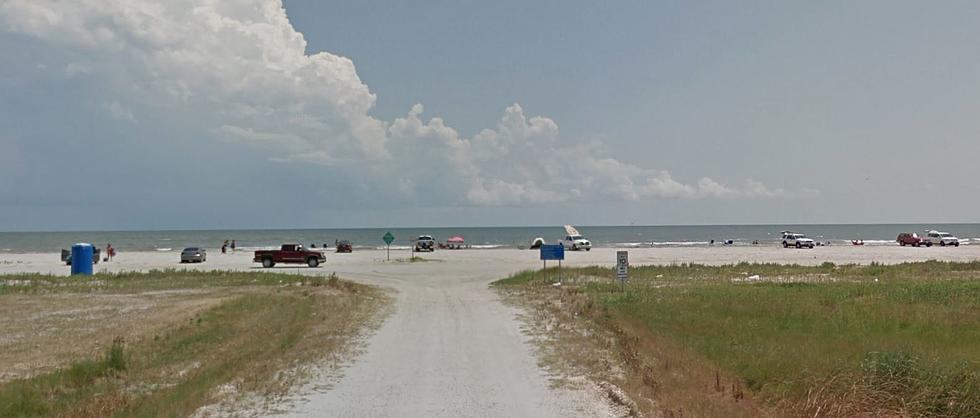
It's not that the bacteria aren't present at those beaches all the time; it's just that the warmer conditions provide an excellent environment for those bacteria populations to explode. And that's what several Louisiana beaches and waterways are experiencing as we transition from July into August.
READ MORE: Flesh-Eating Bacteria Found at Alabama and Florida Beaches
READ MORE: Iconic Beach Bar Serves As a Church On Sundays
Understanding how the bacteria, Vibrio vulnificus, live and grow can help you avoid any medical malady at the hands of this microscopic creature. The first step in beating the bacteria is avoiding them altogether. That is why the State Department of Health offers weekly updates to its Beach Monitoring Program.
What Beaches in Louisiana Currently Have Health Advisories Posted?
By using this link, you can see current advisories, and there is also an interactive map that shows you in great detail where the advisories are posted. This map not only covers issues at Louisiana's Gulf beaches but also inland waterways, including lakes, reservoirs, and ponds.

This program provides updates on current conditions at more than 20 beach and waterway locations across the state. Almost all of the current advisories posted by the Department of Health are current, and currently, 10 Louisiana beaches have advisories posted, while another beach, Lake Charles South Beach, has been closed for recreational use.

According to data from the Department of Health, seventeen people have been hospitalized following exposure to Vibrio, and four of those patients died from complications brought on by the infection. If you feel you may have been in contact with the bacteria, you should know that time is of the essence.
What Are The Symptoms of a Flesh-Eating Bacteria Infection?
Symptoms, including watery diarrhea, stomach cramps, nausea, vomiting, fever, and chills, could onset within 12 hours of exposure. And if you've been in infected waters with an open wound or sore, you could see symptoms such as fever, redness, and pain around the wound, swelling, heat, and a discolored discharge.

Again, time is of the essence since the bacteria can go from bad to worse in a matter of hours. In some cases, the infection has become fatal in less than 48 hours, so don't wait to contact your doctor, an urgent care, or an emergency room if you feel you've been exposed.
Of course, you'll want to pay special attention to young children, older family members, and anyone whose immune system may be compromised.
Ten Surprising Beach Hacks For Summer
Gallery Credit: TSM Lafayette
More From 99.9 KTDY