
AirBnB’s New Private Chef Service: What Louisiana Travelers and Hosts Need to Know
Highlights
- AirBnB launched private chef and personal service bookings in May 2025, available in 260 cities, including New Orleans
- Louisiana travelers can now book crawfish boils, local chefs, and authentic regional experiences directly through AirBnb
- Property hosts are automatically enrolled but don't receive commission from services booked at their rentals
- Liability concerns arise for Louisiana hosts regarding insurance coverage for third-party service providers
- Services start under $50 but hosts can opt out if they're concerned about property damage or safety issues
AirBnB's New Private Chef Service: What Louisiana Travelers and Hosts Need to Know
AirBnB wants to be your personal concierge, but Louisiana property owners aren't sure they're ready for strangers cooking in their kitchens
NEW ORLEANS, La. (KPEL News) — Travelers from Louisiana are beginning to see some new options when renting through one of the most popular short-term rental services on the market, but hosts on that platform are concerned.
According to multiple reports from May 2025, AirBnB has rolled out a new "Services" feature that allows travelers to book private chefs, massage therapists, and other professionals directly to their rental properties—and Louisiana is right in the middle of this hospitality revolution, with New Orleans serving as one of the testing grounds for authentic local experiences.

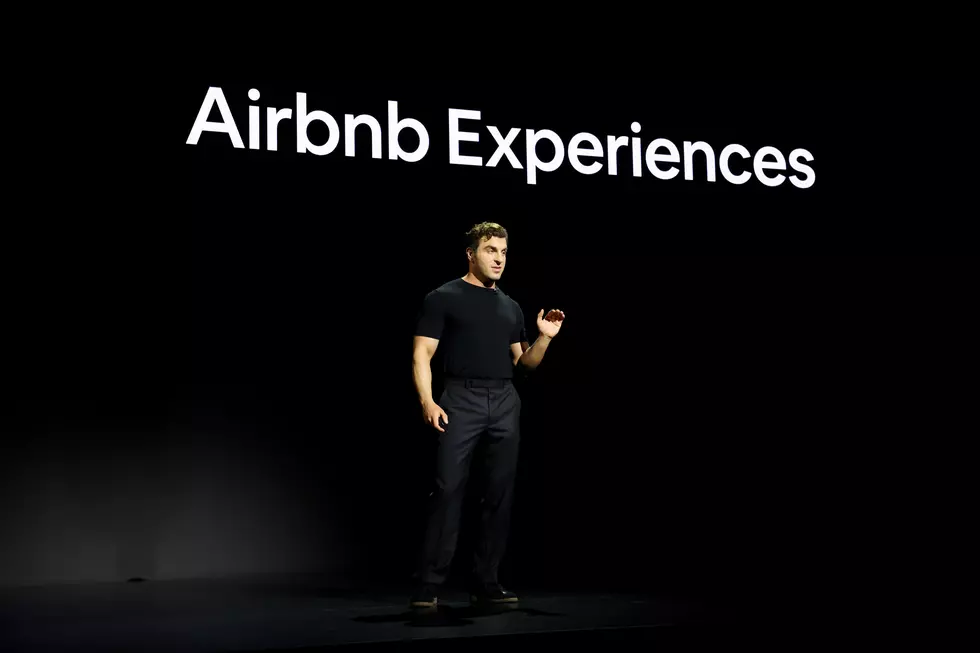
The vacation rental giant's latest move represents CEO Brian Chesky's ambitious vision to transform AirBnB from a simple booking platform into what he calls "the AirBnB of anything." Think of it as bringing hotel-style room service and spa treatments directly to your rental property, whether that's a French Quarter cottage or a lake house in Bossier Parish.
But while travelers might love the idea of having a private chef prepare a traditional Louisiana feast in their rental kitchen, property owners across the state are raising serious questions about liability, insurance coverage, and why they're not getting paid for services booked at their own properties.
What AirBnb's New Service Actually Means
The new AirBnB Services feature launched with 10 categories of professional services across 260 cities worldwide. Louisiana travelers can now book everything from private chefs and massage therapists to personal trainers and photographers who will come directly to their rental properties.

The service categories include prepared meals and full catering, photography sessions, massage and spa treatments, personal training sessions, and hair and makeup services. Pricing starts below $50 for basic services, though costs vary significantly by location and complexity.
Here's how it works: Travelers book through a new "Services" tab in the AirBnB app, either alongside their accommodation or as a standalone service at their own home. AirBnB vets all service providers, requiring them to submit professional licenses, insurance documentation, and proof of experience. The company takes a 15% commission from each service booking.
What makes this different from simply googling "private chef New Orleans" is AirBnB's integrated payment system and review structure. Service providers undergo background checks and credential verification, while customers can read reviews from previous clients before booking.
Chesky told the New York Times the company was always "destined to do more" than just facilitate accommodation bookings. "People choose hotels for their services. People choose Airbnbs for the space," he explained. "Now, we're giving you the best of both worlds."
Impact on Louisiana Travelers: Bringing Authentic Experiences Home
For Louisiana residents planning trips outside the state, AirBnB Services opens up access to authentic regional experiences that were previously difficult to arrange. Want to experience a proper Texas barbecue in Austin or book a "street style" photography session in Paris? Now you can do it through the same app where you booked your accommodation.
But the real opportunity might be closer to home. Louisiana travelers can use these services for local "staycations" or when hosting visiting family members. Instead of crowding everyone into restaurants during festival season, you could book a private chef to prepare a traditional meal in your rental property.
The pricing structure makes this particularly attractive for larger groups. A private chef service starting around $50 per person becomes economical when you're feeding eight to ten people, especially when you factor in the convenience of not having to grocery shop, cook, or clean up during your vacation.
For families traveling with young children, the vetted nature of AirBnB's service providers offers peace of mind that you might not get from independent contractors found through social media or general internet searches. Each provider has been background-checked and carries appropriate insurance coverage.
Louisiana travelers should also consider how these services might enhance special occasions. Planning a anniversary trip to Charleston? Book a private chef for a romantic dinner. Taking the grandparents to Branson? Arrange for in-room massage services so they don't have to navigate unfamiliar spa locations.
The key advantage for Louisiana residents is the integrated booking and payment system. Everything appears on one itinerary, payments are processed through AirBnB's secure system, and you have recourse through their customer service if something goes wrong.
Impact on Louisiana Hosts: New Opportunities and Real Concerns
Here's where things get complicated for Louisiana property owners who list on AirBnB. Properties are automatically enrolled in the services program, meaning hosts must actively opt out if they don't want third-party service providers in their properties.
More concerning for many hosts: they don't receive any commission from services booked at their properties and aren't even notified when guests book services. Imagine discovering that strangers have been using your kitchen for commercial food preparation only after the fact.

Louisiana hosts face unique insurance considerations that property owners in other states might not encounter. Our state's complex property laws, combined with the reality of hurricane season and older housing stock, create specific liability concerns.
A Jacksonville, Florida Superhost told the Wall Street Journal that her homeowners insurance only covers registered guests, not service providers like massage therapists or personal trainers. Louisiana homeowners should immediately contact their insurance agents to understand their coverage limitations.
Consider the practical concerns: What happens if a private chef starts a grease fire in your 1920s Uptown New Orleans kitchen? If a personal trainer damages your hardwood floors with dropped weights? If massage oils stain your furniture? These aren't hypothetical concerns—they're the kinds of property damage incidents that could cost thousands of dollars.
Rural Louisiana hosts face different challenges. Services may not be available in smaller markets like Natchitoches or Lake Charles, automatically creating guest expectations that can't be fulfilled. This could lead to negative reviews through no fault of the host.
The automatic enrollment aspect particularly bothers many property owners. One Nashville host changed her listing rules to explicitly state that services aren't permitted, saying "Most hosts don't need more headaches, and that's what this feels like."
However, some Louisiana hosts see opportunity. The program could potentially increase booking rates and allow hosts to offer premium experiences without having to arrange services themselves. A host with a property near LSU, for example, might find that football weekend bookings increase if parents can easily arrange catering for tailgate groups.
The New Orleans Test Case: How It's Already Working
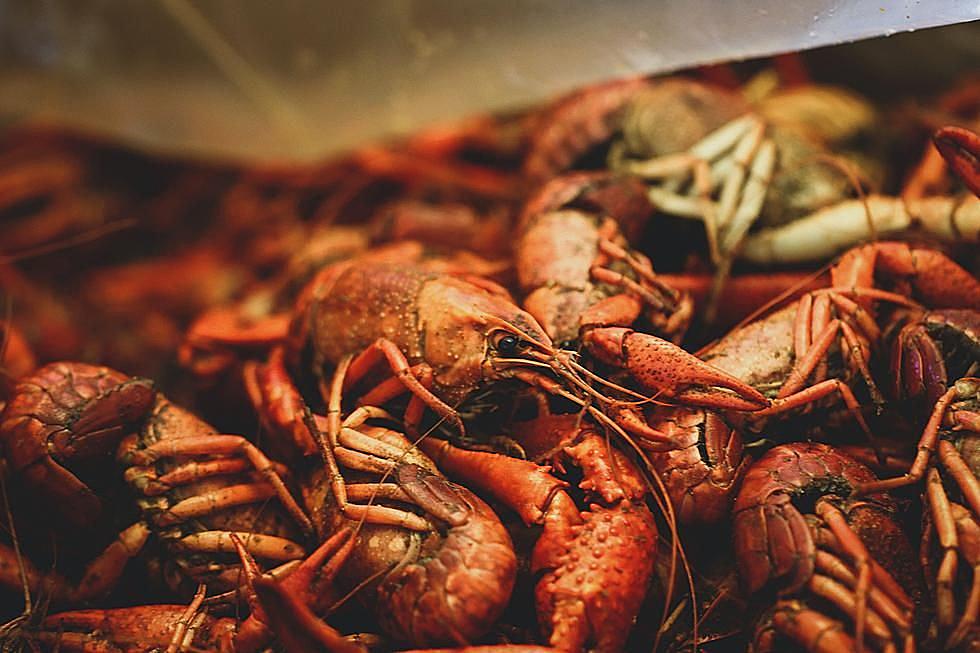
Louisiana actually served as a testing ground for AirBnB Services before the official launch. A New Orleans host near the French Quarter worked with Will's Louisiana Seafood Catering to provide authentic crawfish boils for guests, giving visitors a direct taste of local tradition without restaurant lines.
"Springtime crawfish boils are a beloved local tradition," the host explained. "By helping to arrange a backyard boil, my guests get a direct taste of that ritual — no restaurant lines, just authentic New Orleans flavor and good company."
The New Orleans example shows both the potential and the complexity of these services. Will's team cooked everything from the rental property's backyard, teaching guests how to properly crack crawfish and preparing jambalaya as a first course. The experience was authentic, memorable, and exactly the kind of cultural immersion that makes Louisiana tourism special.
But it also required a host who was comfortable with commercial food preparation on their property, willing to coordinate with service providers, and confident about insurance coverage. Not every property owner will feel equipped to manage these logistics.
The New Orleans pilot also revealed how these services might work during peak tourism periods. Festival season brings challenges for traditional restaurants—long waits, crowded conditions, difficulty accommodating large groups. Private chef services could offer an alternative that benefits both visitors and local culinary professionals.
Cultural authenticity remains a key consideration. Louisiana's food culture is deeply rooted in family traditions and community gathering. The commercialization of these experiences through a tech platform raises questions about maintaining the genuine nature of our hospitality traditions.
What Louisiana Hosts Should Do Right Now
Louisiana property owners who list on AirBnB should take immediate action to understand their options and protect their interests.
First, contact your homeowners insurance agent specifically about coverage for third-party service providers. Ask direct questions: Are massage therapists covered if they damage furniture? What about liability if a chef causes a kitchen fire? Does your policy cover commercial food preparation in a residential kitchen?
Second, review your property's specific vulnerabilities. Older Louisiana homes with historical features, original hardwood floors, or antique furnishings may face higher risks from certain services. Properties with galley kitchens or limited workspace might not be suitable for private chef services.
Third, decide whether to opt out of the program entirely. AirBnB allows hosts to disable all services or select which categories to allow. You can exclude personal training sessions while allowing photography, for example.
If you choose to remain in the program, update your house rules to address service provider expectations. Specify any kitchen equipment restrictions, furniture protection requirements, or cleanup standards. Make clear what areas of the property are off-limits.
Consider creating an addendum to your rental agreement that specifically addresses third-party services, liability, and damage policies. While AirBnB provides some coverage through their AirCover policy, hosts report that it has many exceptions and limitations.
For hosts who want to maintain control while offering similar benefits, consider developing relationships with local service providers independently. You can offer concierge-style recommendations and coordination while maintaining direct oversight of who enters your property.
Document your property's condition with detailed photos before and after each stay, paying particular attention to kitchens, bathrooms, and high-traffic areas where service providers might work.
Looking Ahead: Louisiana's Position in the Changing Travel Market
AirBnB's expansion into services represents a significant shift in how vacation rental platforms compete with traditional hospitality. For Louisiana, this change comes at a time when our tourism industry is already adapting to post-pandemic travel patterns and increasing competition from other Southern destinations.
The integration of authentic local experiences through AirBnB could actually benefit Louisiana's tourism economy by making it easier for visitors to access genuine cultural experiences. Rather than settling for chain restaurant meals, tourists could book private chefs who specialize in regional cuisine, creating more authentic memories and supporting local culinary professionals.
However, this also creates new competition for established Louisiana hospitality businesses. Local restaurants, catering companies, and spa services now compete with providers who have access to AirBnB's massive marketing platform and integrated booking system.

Regulatory considerations will likely emerge at both state and local levels. Louisiana municipalities may need to address commercial activity in residential properties, health department oversight of food preparation, and business licensing requirements for service providers.
The long-term implications extend beyond individual property owners. If AirBnB Services becomes widely adopted, it could influence how Louisiana markets itself as a tourism destination. The ability to offer integrated, authentic experiences might become a competitive advantage over destinations that rely primarily on traditional hotel and restaurant infrastructure.
For Louisiana's position in the broader travel market, this development reinforces our state's reputation as a leader in authentic cultural experiences. The fact that New Orleans served as a testing ground suggests AirBnB recognizes Louisiana's unique appeal and the sophistication of our hospitality culture.
The success or failure of these services in Louisiana markets will likely influence how similar programs develop in other Southern destinations. Our state's response—both from hosts and travelers—could shape industry standards for cultural authenticity and local integration.
As this system evolves, Louisiana's challenge will be maintaining the genuine nature of our hospitality traditions while embracing innovations that could benefit both visitors and local service providers. The key will be ensuring that technological convenience enhances rather than replaces the authentic human connections that make Louisiana tourism special.
Most Expensive AirBnb Stays in Lafayette
Gallery Credit: Joe Cunningham

