Flesh Eating Bacteria Confirmed at Beaches Popular with Louisiana Vacationers
(KMDL-FM) Across Louisiana, we are in the final three weeks of summer. No, not as defined by the calendar, but as defined by the school systems across the state. Yeah, it's hard to believe, but many school-age children from Lafayette, Lake Charles, New Orleans, Alexandria, and Baton Rouge will be heading back to class on or about August 7th.

Now, August 7th isn't the official "back-to-school" date for every school system in the state, but quite a few of those educational systems where we live near Lafayette have already announced plans for the first day, and they are asking parents to review bus schedules and pick-up and drop-off policies.
READ MORE: Which Louisiana Schools Have a 4-Day Week in 2025?
READ MORE: Loose Livestock Disrupts Interstate Traffic in Louisiana
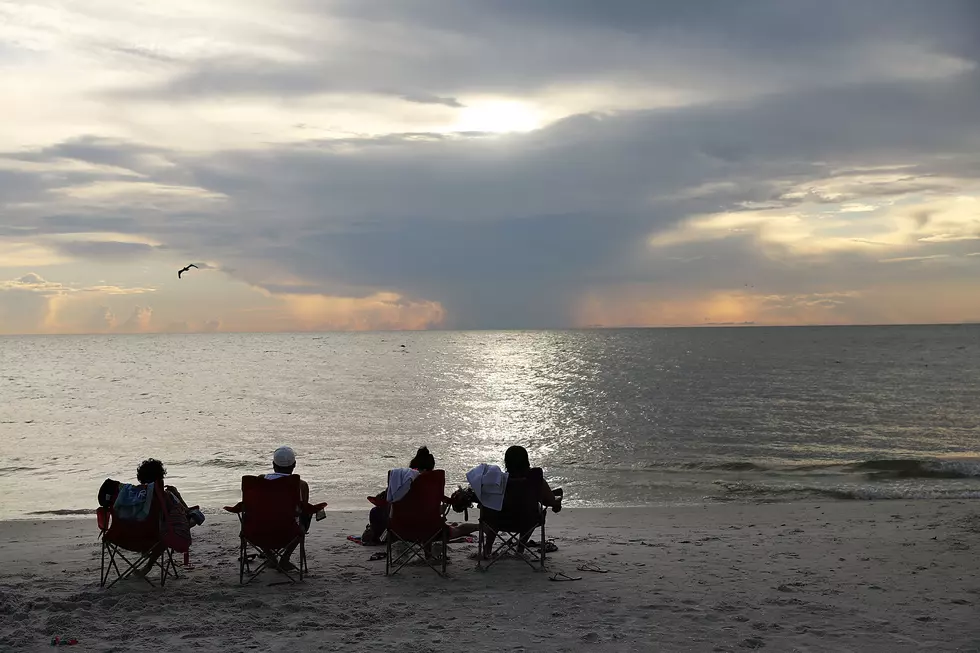
That means for a lot of families, the next weekend or so will be that one final chance to hit the white sands and bob in the waves of the beaches of Florida and Lower Alabama. And for the most part, I think we'd all be in agreement, the beaches off to the east are a little nicer than most of the beaches in Louisiana.
Well, they're nicer except for one small detail. And I do mean a small detail, it's a detail so small you'd need a microscope to see it. So, yes, I am talking about bacteria, and no, I am not talking about a run-of-the-mill kind of bacteria that can only make you a little sick.
The Florida Department of Health has confirmed one fatality because of Vibrio vulnificus, a rare bacterium that naturally occurs in warm seawater. That fatality happened in Bay County. Bay County, Florida, is home to Panama City and Panama City Beach, just so you know.
There have been four other confirmed fatalities in Florida that have been attributed to the bacteria. Nearly a dozen others have reported becoming ill after either ingesting contaminated seawater or eating contaminated raw seafood. The CDC statistics suggest that about one in five people who contract Vibrio vulnificus infection die. So, this is a very serious health situation.

Who Is Most At Risk From Flesh-Eating Bacteria?
Those who are most likely to suffer ill effects from this bacteria include those whose immune systems are already compromised. If you're receiving treatment for liver disease, cancer, diabetes, or HIV, you are at a higher risk than the general population.
Also, persons with open wounds, cuts, and scratches should make sure those areas are completely covered before swimming, but in a best-case scenario, swimming in contaminated water is not recommended or encouraged.

Is Flesh-Eating Bacteria Common at Most Gulf Coast Beaches?
Just for clarity, it's not uncommon that beaches around the Gulf Coast report issues with bacteria-related illnesses associated with warm seawater. It happens every year. Just check with officials at the resort or condo where you are staying, or ask a lifeguard if it's safe to go into the water.
And pay special attention to children who might not realize they have a cut or a scrape and still want to get into the waves. Should you notice signs of infection, it would be to your benefit to contact your family's healthcare provider immediately because the infection brought on by this bacterium can spread quickly.
Ten Surprising Beach Hacks For Summer
Gallery Credit: TSM Lafayette